

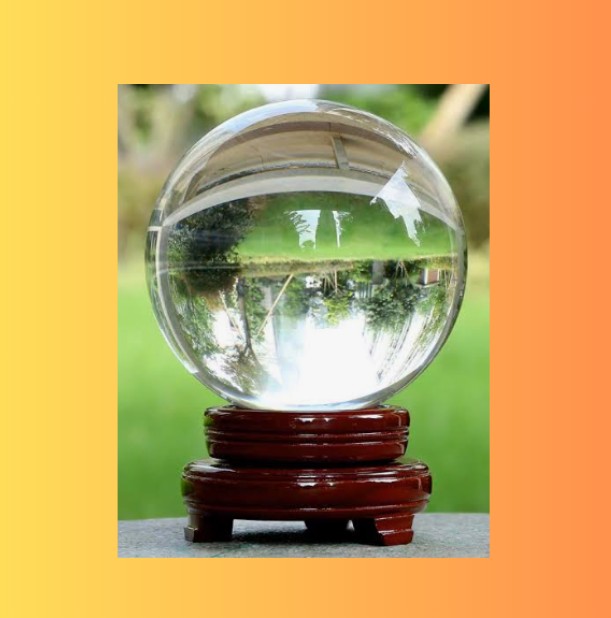
Scrying is an ancient form of divination that uses reflective surfaces, natural elements, or other objects to encourage intuitive impressions, symbols, and mental imagery. Popularized in modern culture by the magical mirror in Disney’s Snow White, scrying has a much longer history, with traditions dating back thousands of years. From crystal balls and bowls of water to candle flames and smoke, this practice invites us to quiet the mind and explore what may lie beyond ordinary awareness.
The History of Scrying
Scrying has appeared in various cultures throughout history, including ancient China, Egypt, and Greece. One of its most famous practitioners was Michel de Nostredame, better known as Nostradamus (1503–1566). According to accounts of his methods, he used a bowl of water as a focal point for receiving visions and inspiration. He later recorded his predictions in Les Prophéties, a collection of poetic verses that continues to attract interest and interpretation.
Although scrying is often associated with predicting the future, it can also be used for personal reflection, exploring questions, seeking inspiration, or simply entering a peaceful, meditative state.
How Does Scrying Work?
Scrying generally involves two elements: a tool on which to focus and a relaxed, meditative state of mind. Practitioners believe that images, symbols, and intuitive impressions may emerge during this process, offering insight into a question or situation.
Types of Scrying Tools
Tools that reflect light or provide a surface for focused gazing.
-
Crystal balls
-
Dark or obsidian mirrors
-
Polished metal surfaces
-
Reflective glass
The practitioner gazes into water, observing reflections, shadows, or patterns on its surface.
-
Bowls of water
-
Pools, lakes, and ponds
-
Water in natural settings
The practitioner focuses on the movement, shapes, and changing patterns of fire.
-
Candle flames
-
Fireplace flames
-
Bonfires, where safely observed
This method involves observing the movement, shapes, and patterns of rising smoke.
-
Incense smoke
-
Smoke from ritual herbs
-
Smoke from a fire
Scrying can also be understood as a way of engaging the imagination and subconscious mind. The meanings of the images are subjective, so patience, self-awareness, and thoughtful interpretation are important parts of the practice.
Who Can Learn to Scry?
Scrying does not require special equipment or years of experience to begin. If you have ever looked at clouds and noticed shapes, watched patterns emerge in a fire, or found yourself absorbed in the reflections on a lake, you may already be familiar with the kind of imaginative observation that scrying encourages.
Developing the practice takes time. Rather than expecting immediate visions or answers, approach each session with curiosity and an open mind. Keeping a journal of your impressions can help you recognize recurring symbols and reflect on their personal significance.
How to Scry: A Simple Technique
You can begin exploring scrying at home with a crystal ball, dark mirror, bowl of water, or another object that appeals to you.
- Choose your tool. Select a reflective surface or object that feels comfortable to use.
- Create a peaceful setting. Find a quiet place where you can sit without interruption. You may wish to dim the lights or light a candle safely.
- Relax your mind and body. Close your eyes and take several slow, comfortable breaths. Let the concerns of the day settle.
- Set an intention. You might ask for insight into a situation or simply remain open to whatever you notice.
- Gaze softly. Look gently at your chosen object without staring so intensely that your eyes become uncomfortable. Allow your attention to settle.
- Notice your impressions. Observe any shapes, colors, memories, emotions, or ideas that arise without immediately judging them.
- Reflect on the experience. When you finish, write down what you noticed and consider what the symbols might mean to you.
There is no need to force an outcome. Some sessions may produce vivid imagery, while others may feel quiet or uneventful. Both are normal experiences when exploring a new meditative practice.
Scrying in Everyday Life
Scrying does not always require a formal ritual. Everyday moments of focused attention can encourage a similar sense of absorption. Watching bubbles while washing dishes, observing steam rising from a pot, or noticing patterns in moving water may provide opportunities to let the mind relax and wander.
These experiences are not necessarily supernatural visions, but they can encourage creativity, reflection, and a fresh perspective on a problem.
Discover the Art of Scrying
Whether you approach scrying as a spiritual practice, a form of divination, or an imaginative meditation, it offers an opportunity to slow down and pay attention to your inner world. With patience and regular practice, you can explore the personal meanings of symbols and impressions that emerge.
Find a quiet moment, choose your scrying tool, and allow yourself to observe without expectation. The real value may lie not only in what you believe you see, but also in what the experience helps you discover about yourself.
Video About Scrying

 Lady Shiya
 Guy Finley